

Ford Transit vs. Ford Transit Connect: Comparison Guide
When businesses consider a Ford commercial van, two names come up right away—the Ford Transit and the recently discontinued Ford Transit Connect. We’ve worked with both models here at Five Star Ford Stone Mountain, and each one has served different needs.
Size and Capacity Comparison
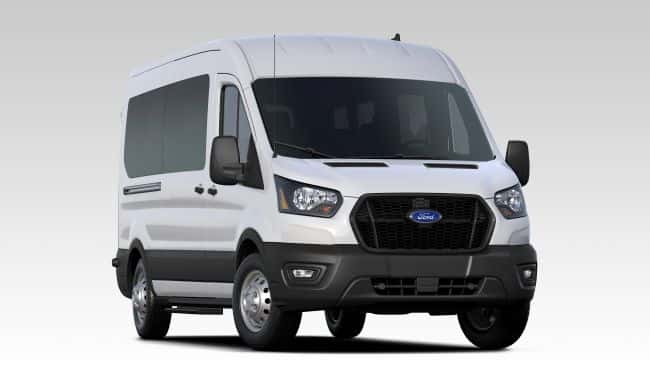
The Ford Transit is a full-size van available in three roof heights and three body lengths. Its length ranges from about 220 inches to 264 inches, with heights that can exceed 110 inches depending on the configuration.
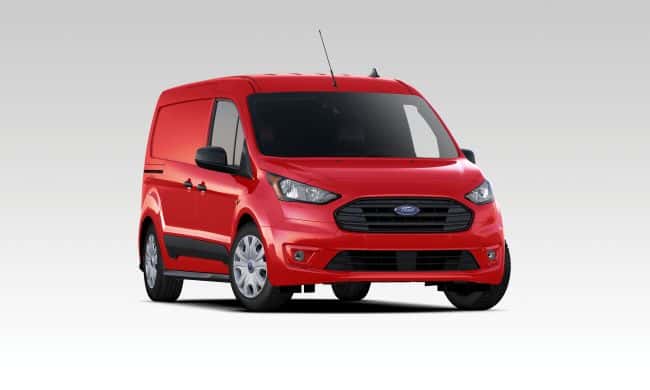
The most recent Transit Connect, on the other hand, is much smaller, coming in between 174 to 190 inches in length and about 72 inches in height.
Passenger Capacity
In terms of seating, the Transit offers a range of configurations. Most cargo models seat two, while the passenger vans can seat up to 15, depending on the trim and layout. The Transit Connect offered seating for up to seven.
Cargo Space Comparison
Cargo space is where the Transit wins big. With cargo lengths at the floor reaching up to 172 inches (in the extended body), it’s designed for serious hauling. Cargo height inside also stretches to over 81 inches in high-roof configurations. The Transit Connect offers cargo lengths of around 87 inches depending on whether seats are folded or removed, with max cargo heights closer to 49 inches.
Maximum Cargo Volume
The Transit offers between 246 to over 487 cubic feet of storage space, depending on configuration. In contrast, the Transit Connect tops out at around 145 cubic feet when the seats are removed.
Payload Capacity
Payload capacity again tilts in favor of the full-size Transit. Depending on the configuration, it can handle between 3,060 and 5,110 pounds. The Transit Connect’s payload falls between roughly 1,300 and 1,500 pounds.
Performance Comparison
The Transit offers two V6 engines: a standard 3.5L V6 with 275 horsepower and an available twin-turbo EcoBoost V6 delivering up to 310 horsepower and 400 lb-ft of torque. The last-generation Transit Connect used a more modest 2.0L four-cylinder engine pushing out just 162 horsepower and 144 lb-ft of torque.
Smaller size helped the Transit Connect achieve up to an EPA-estimated 24 mpg city and 28 mpg highway. The larger Transit trades efficiency for capability, especially in AWD models. It is not rated by the EPA, but expect mpg efficiency in the high teens.
Features and Technology
Interior Features
The Transit offers available swivel seats, heavy-duty flooring options, and work-ready packages like shelving kits or lockable partitions. In contrast, the Transit Connect focused more on driver comfort with available leather seats and dual-zone climate control.
Safety Features
Both models offer multiple airbags and standard features like a rearview camera and traction control systems. The newer Transits benefit from advanced additions like adaptive cruise control and front/rear sensing systems that were only optionally available—or missing entirely—in the Transit Connect.
Connectivity and Driver Assistance

SYNC 4 with a large touchscreen is available on newer Transits along with Ford Co-Pilot360 tech including blind spot alerts and a digital rearview mirror. The older Connect models offered SYNC 3 functionality but lacked some newer driver-assist features.
Did Ford Discontinue the Transit Connect?
Current Status
Yes, as of model year 2023, Ford discontinued the Transit Connect in the U.S.
Reasons for Discontinuation
Ford decided to streamline its commercial van offerings by focusing entirely on the larger Transit platform amid changing market demands and supply chain strategies.
Pricing and Value
At launch, the Transit Connect had a lower price point than any configuration of the full-size Transit. But as demand shifted toward larger vehicles with more capacity and capability, many buyers saw longer-term value in the bigger platform.
For more information on these models, fill out the form below or contact our sales team here at Five Star Ford Stone Mountain.
0 comment(s) so far on Ford Transit vs. Ford Transit Connect: Comparison Guide